The Enduring Legacy of Fasolada: Greece's Timeless Comfort Food
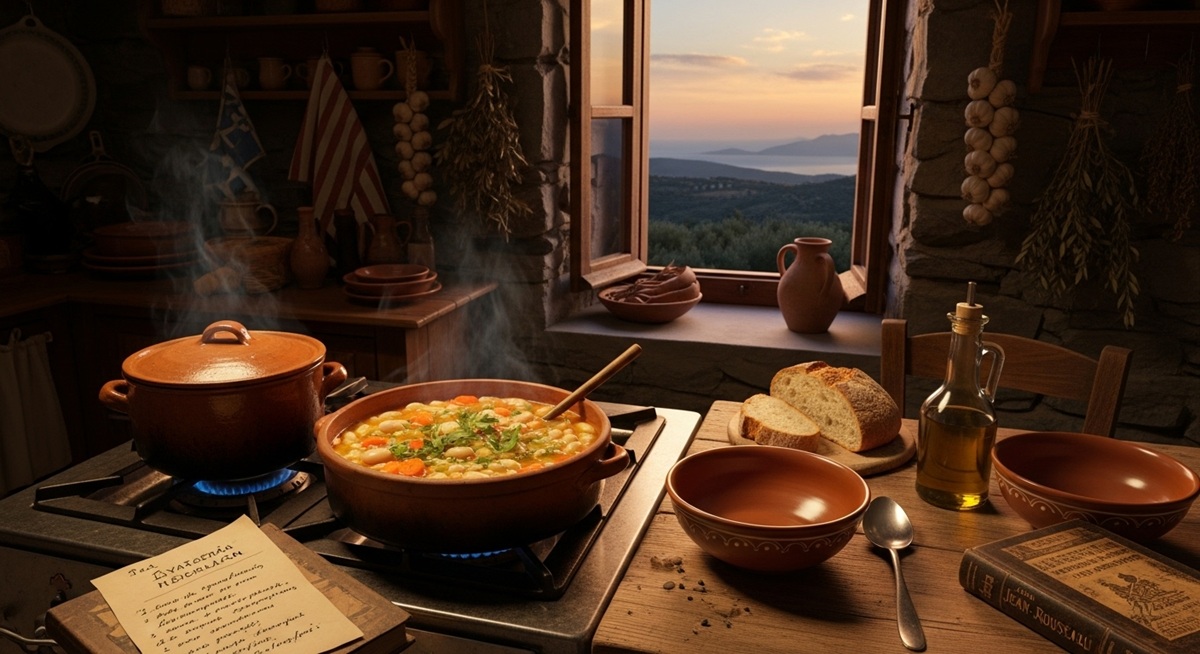
Imagine a hearty, warming aroma wafting from the kitchen, a scent that whispers tales of ancient traditions, sun-drenched olive groves, and generations gathered around a family table. This is the essence of fasolada, Greece's beloved national dish, a simple yet profoundly satisfying white bean soup that embodies the very soul of Mediterranean cuisine. Often hailed as the "poor man's dish," fasolada is anything but humble in its impact, offering a nourishing embrace that has sustained Greeks through centuries, becoming a symbol of resilience, health, and unparalleled comfort.
At its core, fasolada is a vegetarian masterpiece crafted from humble ingredients: dried white beans, bathed in rich olive oil, and simmered with aromatic vegetables like onions, carrots, and celery, punctuated by the bright tang of tomatoes and fragrant herbs. The result is a thick, velvety stew, brimming with earthy flavors and a comforting warmth that makes it a staple winter meal, yet versatile enough to be enjoyed year-round. Its affordability, coupled with its remarkable health benefits, solidifies its place not just as a national dish, but as a culinary treasure.
A Journey Through Time: The Rich History of Fasolada
The story of fasolada is deeply intertwined with the culinary tapestry of Greece, its roots stretching back to antiquity. Long before modern agriculture, legumes were a cornerstone of the ancient Greek diet, prized for their availability, ease of storage, and exceptional sustenance value. These early bean-based stews laid the groundwork for what would eventually become the fasolada we know today.
Over centuries, this humble bean dish evolved, absorbing influences from various eras. The introduction of tomatoes from the New World, for instance, marked a significant turning point, adding a new depth of flavor and vibrant color that transformed the soup. While historical accounts credit Venetian and Ottoman eras with their own culinary contributions, fasolada consistently retained its identity as an economical and nourishing meal. It proved invaluable during times of scarcity, from the difficult post-World War II recovery period to the more recent 2008 financial crisis, serving as a testament to Greek resourcefulness and the power of simple, wholesome ingredients.
The very name fasolada (φασολάδα) provides a linguistic clue to its core identity. It derives from the Modern Greek word fasóli (φασόλι), meaning "bean," combined with the suffix -άδα, which denotes a soup or stew made from the base ingredient. This construction highlights the dish's undeniable focus on beans. Tracing further back, fasóli finds its origins in Byzantine Greek phasólin, a diminutive of Hellenistic Koine Greek phasíolos, which was a reborrowing from the Latin phaseolus. This Latin term, in turn, stems from the Ancient Greek phásēlos, an early reference to pod-bearing legumes of the *Vigna* genus, such as cowpeas. This etymological journey underscores a continuous culinary tradition spanning millennia.
While the classic fasolada remains consistent in its core elements, regional variations do exist across Greece and even in Cyprus. Much like Italian fagiolata or Portuguese Feijoada, these Mediterranean and Middle Eastern bean soups share a common lineage, each adding their unique local twist while celebrating the humble bean.
More Than Just Beans: The Health and Nutritional Powerhouse
Fasolada isn't just a delicious meal; it's a shining example of the nutritional brilliance of the Mediterranean diet. As a plant-based dish, it offers an impressive array of health benefits that contribute to its timeless appeal.
- High Protein & Fiber: White beans, such as cannellini or great northern beans, are the heroes here, providing a substantial source of plant-based protein and dietary fiber. This combination promotes satiety, aids in digestive health, and helps regulate blood sugar levels.
- Heart-Healthy Fats: The generous use of extra virgin olive oil is not just for flavor; it's a cornerstone of Mediterranean health. Olive oil provides beneficial monounsaturated fats, known to support cardiovascular health and reduce inflammation.
- Rich in Vitamins and Minerals: The medley of vegetables – carrots, celery, and tomatoes – contributes essential vitamins (like Vitamin A and C) and minerals, while the beans themselves are packed with iron, magnesium, and folate.
- Naturally Vegan and Gluten-Free: For those following specific dietary paths, fasolada is a perfect fit. It's inherently vegan, making it a beloved choice during the Greek Orthodox fasting periods (Lent), and naturally gluten-free, catering to a wide range of dietary needs.
In an age where processed foods often dominate, fasolada stands as a powerful reminder that some of the most nourishing and satisfying meals come from the simplest, most natural ingredients. It's a testament to the fact that healthy eating doesn't have to be complex or expensive. To dive deeper into its incredible health properties, explore our article: Fasolada Explained: Why Greece's Vegan Bean Soup is a Health Powerhouse.
The Art of Making Fasolada: Simplicity Meets Flavor
The beauty of fasolada lies in its straightforward preparation, where patience and quality ingredients are the true secrets to its success. It's a dish that celebrates slow cooking, allowing flavors to meld and deepen into a cohesive, comforting whole.
Key Ingredients You'll Need:
- White Beans: Dried cannellini beans or great northern beans are traditionally preferred for their creamy texture when cooked. Remember to soak them overnight to reduce cooking time and improve digestibility.
- Extra Virgin Olive Oil: This isn't just an oil; it's a flavor enhancer and a key component of the soup's richness. Don't skimp on quality here.
- Aromatic Vegetables: Onions, carrots, and celery form the foundational flavor base, providing sweetness and depth.
- Tomatoes: Crushed tomatoes, tomato paste, or even fresh diced tomatoes contribute a crucial acidic counterpoint and a beautiful reddish hue.
- Herbs: Bay leaves are essential for their subtle, earthy aroma, while fresh parsley adds a touch of freshness at the end. Some variations might include dried oregano or thyme.
- Water or Vegetable Broth: For simmering the beans into a velvety consistency.
The Cooking Process:
The journey begins with the soaked beans, which are typically boiled briefly and then drained. In a separate pot, the aromatic vegetables are sautéed gently in a generous amount of olive oil until softened and fragrant. This step is crucial for building layers of flavor. Next, the tomatoes and herbs are added, allowed to cook down slightly, before the beans and water (or broth) join the party. The magic happens during the slow simmer, where the beans become incredibly tender, and the broth thickens into its characteristic velvety consistency, absorbing all the wonderful flavors.
Practical Tip: While soaking beans overnight is traditional, if you're short on time, a quick-soak method involves boiling beans for 5-10 minutes, then letting them sit covered for an hour before draining and proceeding with the recipe. Also, don't be afraid to adjust the consistency; some prefer a thicker, stew-like fasolada, while others enjoy a slightly more soupy version. A quick mash of some of the beans against the side of the pot towards the end of cooking can help create that desired creaminess without needing any dairy.
Serving Suggestions and Cultural Significance
Fasolada is more than just a meal; it's an experience, best enjoyed in traditional Greek style. The classic accompaniments elevate its simple flavors and turn it into a truly memorable feast.
- Crusty Rustic Bread: Absolutely essential for sopping up every last drop of the rich, flavorful broth. There’s nothing quite like dipping a piece of fresh, crusty bread into the warm, olive-oil-infused soup.
- Olives: A side of briny Kalamata olives adds a salty, tangy counterpoint that beautifully complements the earthy beans.
- Feta Cheese: For those who aren't strictly vegan, a crumbling of salty feta cheese over the top or on the side provides a delightful creamy and sharp contrast.
- Fresh Olive Oil and Lemon: A final drizzle of fresh, high-quality extra virgin olive oil just before serving, along with a squeeze of fresh lemon juice, brightens the entire dish and adds a vibrant finish.
- Pickled Vegetables: Occasionally, pickled accompaniments like peppers or cucumbers are served alongside to add another layer of acidity and crunch.
Culturally, fasolada holds a significant place in Greek society. It's often a weekly family dish, promoting communal eating and the sharing of simple, wholesome food. Its vegan nature makes it a Lenten favorite during the strict fasting periods of the Greek Orthodox Church, offering a hearty and satisfying meal without breaking dietary restrictions. It exemplifies the Mediterranean diet's emphasis on plant-based foods, showcasing how delicious and deeply satisfying such meals can be. This enduring dish represents resourcefulness, warmth, and the comforting embrace of home. To learn more about its role in Greek culture and the Mediterranean diet, check out: Fasolada: Greece's National Soup and Mediterranean Diet Gem.
Conclusion
From ancient legumes sustaining early civilizations to a cherished national dish gracing modern Greek tables, fasolada truly embodies an enduring legacy. It's a testament to the power of simple ingredients, slow cooking, and a culinary tradition that prioritizes flavor, nutrition, and communal joy. More than just a humble white bean soup, fasolada is a warm hug in a bowl, a symbol of resilience, and a delicious journey through Greece's rich history and vibrant culture. Whether you're seeking a nutritious plant-based meal, a comforting winter warmer, or simply a taste of authentic Mediterranean charm, fasolada offers an experience that is both deeply satisfying and profoundly timeless. Embrace the simplicity, savor the flavors, and discover why this Greek treasure continues to captivate hearts and palates worldwide.
