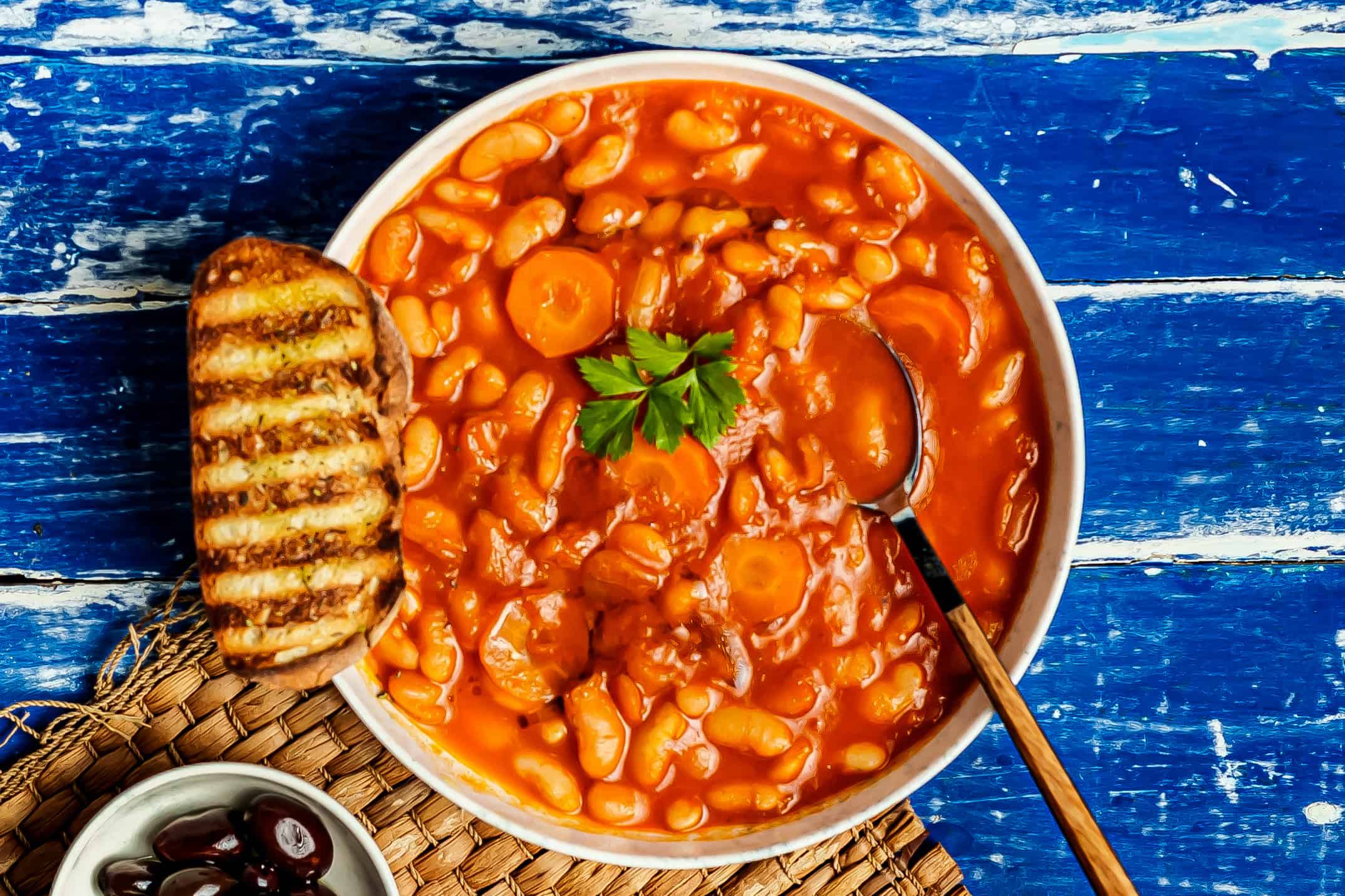
In the vibrant tapestry of Greek cuisine, few dishes hold as revered a status as fasolada. Often hailed as the national dish of Greece, this humble yet profoundly satisfying white bean soup is far more than just a meal; it's a culinary cornerstone, a historical testament, and a shining example of the Mediterranean diet's enduring wisdom. A hearty, nutritious, and undeniably delicious vegetarian offering, fasolada embodies the very essence of simplicity and sustenance, making it a beloved staple in Greek homes and beyond.
Picture a generous bowl of creamy white beans, lovingly simmered with aromatic vegetables, bathed in golden olive oil, and infused with the subtle perfume of herbs. That, in essence, is fasolada – a dish that comforts the soul, nourishes the body, and transports you straight to the sun-drenched shores of Greece. Whether enjoyed as a warming winter antidote or a light, wholesome meal year-round, its appeal is universal, reflecting centuries of culinary tradition and a deep respect for natural, wholesome ingredients.
The Heart of Greek Cuisine: What Makes Fasolada Special?
At its core, fasolada is a celebration of plant-based goodness. The primary ingredient is dried white beans, typically cannellini or great northern beans, which are simmered to tender perfection. These legumes form the backbone of the soup, providing a satisfying texture and earthy flavor that is both comforting and robust. But what truly elevates fasolada from a simple bean stew to a national treasure are the fresh, vibrant vegetables and the generous touch of Greece's liquid gold: olive oil.
A typical fasolada recipe features a harmonious blend of diced onions, carrots, and celery, which slowly caramelize and soften, releasing their sweet and savory notes into the broth. Tomatoes, often in paste form or crushed, add a crucial layer of acidity and a rich, appealing color. A medley of herbs, such as parsley, dill, or bay leaves, infuses the soup with an aromatic depth that is distinctly Mediterranean. The magic happens during the slow simmering process, where all these humble ingredients meld together, creating a thick, velvety consistency and an incredibly complex flavor profile.
Fasolada's vegetarian (and often vegan) nature also makes it particularly significant in Greek culture. It is a favored dish during the Greek Orthodox fasting periods, such as Lent, when animal products are abstained from. This adherence to vegan dietary restrictions highlights the dish's versatility and its deep roots within religious and communal practices. It's not just food; it's an integral part of weekly family gatherings, promoting shared meals and conversation, embodying the very spirit of Greek hospitality and tradition.
A Journey Through Time: The Rich History of Fasolada
The story of fasolada is as ancient and enduring as Greece itself. Its origins can be traced back to antiquity, with bean-based stews forming a core component of the ancient Greek diet. Legumes were readily available, affordable, and highly nutritious, making them an essential food source for sustenance across all social strata. This rich history underscores the dish's timeless appeal and its role in feeding generations.
Over the centuries, as culinary influences swept across the Mediterranean, fasolada continued to evolve. The introduction of tomatoes from the New World, post-Columbian exchange, marked a significant turning point, adding a new dimension of flavor and color that is now indispensable to the modern recipe. Prior to this, bean stews would have relied on different flavor profiles, perhaps more focused on herbs and local produce. Influences from Venetian and Ottoman eras also subtly shaped Greek cuisine, but fasolada retained its fundamental character as an economical and nourishing meal.
The dish's reputation as the "poor man's dish" is not a mark of inferiority but a testament to its resourcefulness and resilience. During times of scarcity, such as the arduous post-World War II recovery or the more recent 2008 financial crisis, fasolada provided crucial sustenance. It became a symbol of national endurance, demonstrating how simple, accessible ingredients could be transformed into a deeply satisfying and life-sustaining meal. This deep-seated cultural significance makes fasolada more than just food; it's a chronicle of Greek history served in a bowl. Even the name fasolada itself is deeply rooted, deriving from the Modern Greek φασολάδα (fasoláda), combining φασόλι (fasóli), meaning "bean," with a suffix denoting a stew – a linguistic echo of its ancient past, traceable back to Latin phaseolus and Ancient Greek phásēlos, referring to pod-bearing legumes.
Fasolada and the Mediterranean Diet: A Nutritional Powerhouse
Beyond its cultural and historical significance, fasolada stands out as a prime example of the health benefits inherent in the Mediterranean diet. It is, quite simply, a nutritional powerhouse packed with goodness:
- High Protein and Fiber: The white beans are an excellent source of plant-based protein, essential for muscle repair and growth, and dietary fiber, which aids digestion, promotes satiety, and helps regulate blood sugar levels.
- Rich in Vitamins and Minerals: The abundance of vegetables like carrots, celery, and tomatoes contributes a wealth of vitamins (A, C, K), minerals (potassium, iron), and antioxidants, bolstering the immune system and supporting overall health.
- Heart-Healthy Fats: A generous drizzle of extra virgin olive oil not only provides unparalleled flavor but also delivers monounsaturated fats, known for their cholesterol-lowering properties and their role in promoting cardiovascular health.
- Low in Saturated Fat and Cholesterol: As a plant-based dish, fasolada is naturally low in saturated fats and entirely free of cholesterol, aligning perfectly with guidelines for a heart-healthy diet.
- Sustainable and Affordable: Embracing a dish like fasolada is not only good for your body but also for your wallet and the planet, highlighting how sustainable and delicious healthy eating can be.
Its emphasis on whole, unprocessed ingredients aligns perfectly with the principles of the Mediterranean diet, which is consistently ranked among the healthiest eating patterns globally. Regular consumption of dishes like fasolada contributes to longevity, reduced risk of chronic diseases, and enhanced well-being.
Serving Suggestions and Regional Variations: Enjoying Your Fasolada
While the basic recipe for fasolada remains consistent across Greece, subtle regional variations exist, adding to its charm. Some areas might favor a richer tomato base, while others might lean more towards a clearer broth. In Cyprus, a closely related version is also considered a national dish. Despite these nuances, the soul of fasolada – hearty white beans, fresh vegetables, and olive oil – always remains the same.
The traditional way to enjoy fasolada is piping hot, often accompanied by a few essential side dishes that complement its savory profile and enhance the dining experience:
- Crusty Rustic Bread: Indispensable for soaking up the rich, flavorful broth – a truly satisfying part of the meal.
- Feta Cheese: Crumbled on the side or directly into the bowl, its salty, tangy creaminess provides a delightful contrast to the earthy soup.
- Kalamata Olives: The briny, fruity notes of Greek olives are a perfect accompaniment, adding another layer of Mediterranean flavor.
- Pickled Vegetables: Often, pickled peppers or onions are served alongside, offering a bright, acidic counterpoint that cleanses the palate.
- A Drizzle of Raw Olive Oil: A final flourish of fresh, high-quality extra virgin olive oil just before serving can elevate the aroma and flavor immensely.
Tips for the Perfect Bowl of Fasolada
To truly master fasolada, consider these insights:
- Soak Your Beans: Always soak dried white beans overnight. This significantly reduces cooking time and aids in digestibility, leading to a creamier, more tender result.
- Quality Olive Oil: Invest in a good quality extra virgin olive oil. It's not just a cooking fat; it's a core flavor component.
- Slow and Steady: Don't rush the simmering. Slow cooking allows the flavors to meld beautifully and the beans to become wonderfully tender without falling apart.
- Fresh Herbs are Key: While dried herbs can be used, fresh parsley, dill, or a sprig of bay leaf will impart a more vibrant and aromatic essence. Add fresh herbs towards the end of cooking.
- Adjust Consistency: Some prefer a thicker, stew-like fasolada, while others like it more brothy. Adjust the water content accordingly during cooking.
Fasolada, with its simplicity and profound depth, also shares a common lineage with other bean-based stews found across Europe and the Middle East, such as Italy's fagiolata or Portugal's Feijoada, showcasing the timeless appeal of legumes as a foundational food source.
In conclusion, fasolada is far more than just Greece's national soup; it is a culinary emblem, a nourishing testament to history, and a delicious cornerstone of the Mediterranean diet. Its ability to provide comfort, sustenance, and profound flavor from humble ingredients is a culinary marvel. So, whether you're seeking a taste of authentic Greek tradition, a healthy plant-based meal, or simply a bowl of deeply satisfying comfort, look no further than this magnificent white bean soup. Dive into the enduring legacy of fasolada and discover why it remains Greece's Timeless Comfort Food, cherished by generations.
