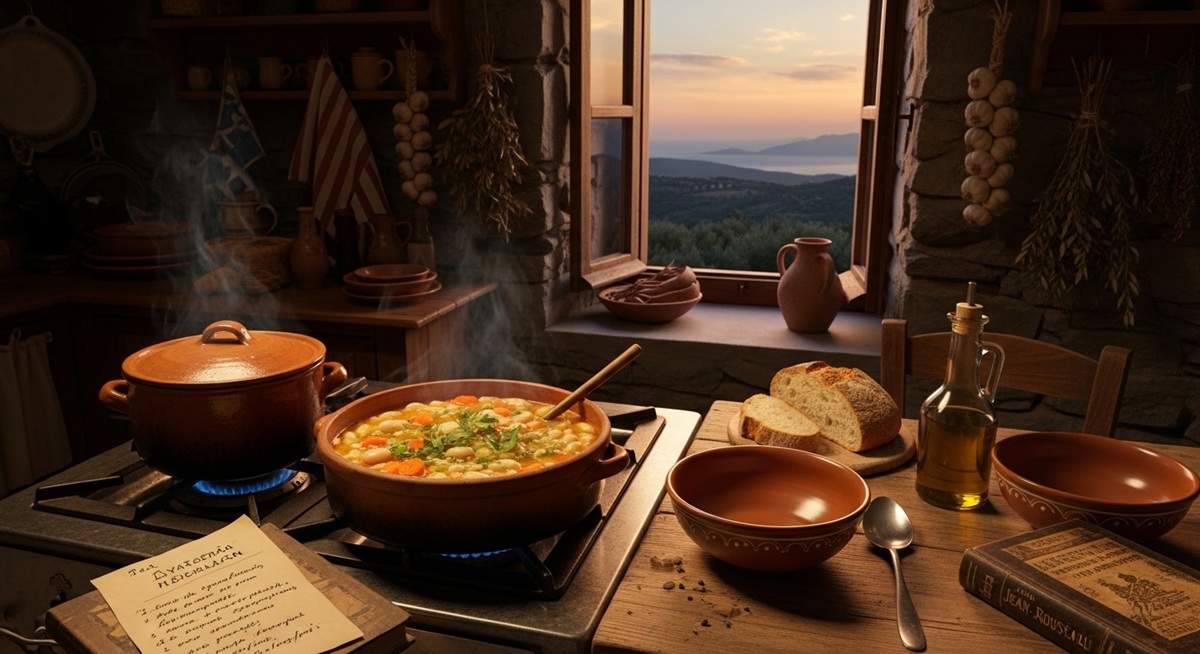
Fasolada Explained: Why Greece's Vegan Bean Soup is a Health Powerhouse
Greece, a land renowned for its vibrant history and exquisite culinary traditions, offers a dish that embodies both simplicity and profound nutritional value:
fasolada. Often celebrated as the national food of Greece, this hearty vegan bean soup is far more than just a humble meal; it's a testament to the Mediterranean diet's power and a culinary cornerstone enjoyed by generations. Prepared primarily from humble dried white beans, bathed in rich olive oil, and simmered with aromatic vegetables and herbs, fasolada offers a comforting warmth and a wealth of health benefits, proving that often, the simplest ingredients yield the most extraordinary results.
A Journey Through Time: The Enduring Legacy of Fasolada
The story of fasolada is deeply woven into the fabric of Greek history and culture, stretching back to ancient times when legumes formed the bedrock of the diet due to their widespread availability and incredible sustenance. This bean-based stew evolved over centuries, absorbing influences from various eras. The introduction of tomatoes from the New World, for instance, dramatically transformed its flavor profile, integrating a vibrant acidity that is now characteristic of the dish. Yet, despite these evolutions, fasolada consistently maintained its crucial role as an economical and nourishing meal, particularly during periods of scarcity, such as the challenging times following World War II and the more recent 2008 financial crisis.
Culturally, fasolada holds immense significance. It is a beloved Lenten favorite within the Greek Orthodox fasting period, naturally adhering to vegan dietary restrictions without any modification. Beyond religious observance, it stands as a cherished weekly family dish, fostering communal eating and embodying the spirit of Greek hospitality. Reflecting on
the enduring legacy of fasolada, it's clear why this dish continues to resonate deeply: it's a taste of home, a symbol of resilience, and a delicious link to a rich culinary past.
The very name
fasolada, deriving from the Modern Greek φασολάδα (fasoláda) and φασόλι (fasóli) meaning "bean," clearly signals its core ingredient. This linguistic lineage, tracing back through Latin and Ancient Greek references to pod-bearing legumes, highlights a continuous thread of bean consumption in Greek cuisine that spans millennia.
The Anatomy of a Health Powerhouse: Why Fasolada Nourishes
What makes fasolada a genuine health powerhouse? It's the harmonious combination of its simple, plant-based ingredients, each contributing a unique array of nutritional benefits. This traditional Greek soup is a prime example of how delicious food can simultaneously be incredibly good for you, aligning perfectly with the principles that define
Fasolada: Greece's National Soup and Mediterranean Diet Gem.
Let's break down its powerful components:
*
White Beans (Cannellini or Great Northern): These unassuming legumes are the star of fasolada and an absolute nutritional marvel. They are an excellent source of plant-based protein, crucial for muscle repair and overall body function, making fasolada incredibly satisfying. Furthermore, they are packed with dietary fiber – both soluble and insoluble. Fiber aids digestion, promotes gut health, helps regulate blood sugar levels, and contributes to a feeling of fullness, which can be beneficial for weight management. White beans also provide essential minerals like iron, magnesium, and folate.
*
Extra Virgin Olive Oil: A cornerstone of the Mediterranean diet, high-quality extra virgin olive oil is not just a flavor enhancer in fasolada; it's a health booster. It's rich in monounsaturated fats, particularly oleic acid, which are known for their heart-healthy benefits, including reducing "bad" LDL cholesterol levels. Olive oil also boasts powerful antioxidants like polyphenols, which help combat oxidative stress and inflammation in the body.
*
Vibrant Vegetables (Onions, Carrots, Celery, Tomatoes): These aromatic vegetables form the flavor base of fasolada and infuse it with a spectrum of vitamins, minerals, and antioxidants. Carrots provide beta-carotene (a precursor to Vitamin A), essential for vision and immune function. Tomatoes are a fantastic source of lycopene, a potent antioxidant linked to heart health and cancer prevention. Onions and celery add not only depth of flavor but also additional fiber and various micronutrients.
*
Aromatic Herbs (Parsley, Bay Leaves, Dill): While often used sparingly, the herbs in fasolada contribute more than just fragrance. Many traditional Mediterranean herbs, like parsley and dill, are rich in vitamins K and C, as well as antioxidants. They enhance the savory profile of the soup, allowing for less reliance on added salt.
The synergy of these ingredients means fasolada offers high protein, abundant fiber, a wide range of vitamins and minerals, and heart-healthy monounsaturated fats. It's a low glycemic index meal, providing sustained energy without rapid blood sugar spikes, making it an excellent choice for overall well-being.
Why Fasolada is Greece's Vegan Gem
In an era where plant-based eating is gaining immense popularity for its health, ethical, and environmental benefits, fasolada stands out as a naturally vegan dish that has been celebrated for centuries. Its inherent plant-based nature makes it accessible and appealing to a broad audience.
*
Lenten Tradition and Beyond: As mentioned, fasolada's role as a Lenten favorite during Greek Orthodox fasting periods means it has always been free of meat, dairy, and eggs. This historical precedent makes it a perfect, no-fuss option for vegans and those observing similar dietary restrictions today. It proves that satisfying and flavorful vegan food is deeply ingrained in traditional cuisines.
*
Affordability and Accessibility: Made from readily available and inexpensive ingredients – dried beans, common vegetables, and olive oil – fasolada is an incredibly economical dish. This affordability makes healthy, plant-based eating accessible to everyone, echoing its historical role as the "poor man's dish" that nonetheless provided rich nutrition.
*
Global Appeal: While similar bean-based stews exist across the Mediterranean and beyond (such as Italian
fagiolata or Portuguese
feijoada), fasolada maintains a distinct character. Its pure, unadulterated focus on beans, vegetables, and olive oil, without the addition of animal proteins, truly sets it apart as a quintessential vegan comfort food. It’s a hearty, lean, and utterly satisfying meal that proves you don't need animal products to create a dish bursting with flavor and sustenance.
Mastering the Art of Fasolada: Tips for Your Kitchen
Bringing the authentic taste and health benefits of fasolada to your own kitchen is a rewarding experience. While the dish is simple in concept, a few tips can elevate your homemade version to truly remarkable levels.
1.
Soak Your Beans: For the best results, always soak dried white beans (cannellini or great northern work wonderfully) overnight. This dramatically reduces cooking time and helps ensure even cooking and a creamier texture. Don't skip rinsing them thoroughly before cooking.
2.
Quality Olive Oil is Key: Since olive oil is such a prominent flavor and nutritional component, invest in a good quality extra virgin olive oil. It will make a noticeable difference in the final taste and aroma of your fasolada.
3.
Slow Simmer for Depth: Patience is a virtue when making fasolada. A slow, gentle simmer allows the beans to become incredibly tender and for the flavors of the vegetables and herbs to meld beautifully into a thick, velvety broth. Don't rush the process.
4.
Aromatics First: Begin by sautéing your chopped onions, carrots, and celery in olive oil until they are softened and fragrant. This foundational step builds a crucial layer of flavor.
5.
Seasoning Strategy: Add salt towards the end of the cooking process, after the beans have softened. Adding salt too early can toughen the beans and extend their cooking time. Freshly ground black pepper and a bay leaf or two are essential, and fresh parsley or dill stirred in just before serving adds a vibrant finish.
6.
Traditional Serving Suggestions: Fasolada is traditionally served piping hot, often with a generous drizzle of fresh olive oil just before eating. It pairs perfectly with:
*
Crusty Bread: Essential for sopping up the rich, flavorful broth.
*
Olives: Kalamata olives offer a briny counterpoint.
*
Pickled Vegetables: Such as pickled peppers or cabbage, for a tangy zest.
*
Feta Cheese (Optional, Non-Vegan): While fasolada itself is vegan, a side of crumbled feta is a popular, albeit non-vegan, accompaniment for those who consume dairy.
Conclusion
Fasolada is much more than just a soup; it’s a culinary icon that perfectly encapsulates the heart and soul of Greek cuisine. Its rich history, deeply intertwined with the cultural fabric of Greece, speaks volumes about its enduring appeal. As a naturally vegan dish brimming with plant-based protein, fiber, healthy fats, and essential nutrients, fasolada stands tall as a true health powerhouse. It offers a delicious, comforting, and remarkably nutritious meal that satisfies the palate while nurturing the body. Whether enjoyed as a Lenten staple, a weekly family dinner, or simply as a comforting bowl on a chilly day, fasolada is a timeless testament to the power of simple, wholesome ingredients to create something truly extraordinary.